Baltic Folklore & Living Legends
Stories from the
edge of the water
An English-language record of folk belief along the Baltic shore — the amber myths, the water spirits, the fires lit at midsummer — gathered from the places where they are still told.
Read the JournalWhat we cover
Four threads running through Baltic tradition
Why amber became a myth
The coast between Sambia and Rügen produces roughly ninety percent of the world's accessible amber. Long before trade routes, people along this shore noticed it washed up after storms, glowing orange, sometimes holding insects millions of years old. The explanations they invented are the beginning of Baltic mythology.
Read: The Amber Coast Riddle →Entities that live between water and land
From the Latvian Māra to the Lithuanian Aitvaras near rivers, and the German undine traditions around the Curonian Haff — the Baltic shore has a rich vocabulary for beings that inhabit the borderland between fresh and salt water. Not all of them wish you well.
Read: Water Spirits of Kurisches Haff →Midsummer fires and what they were actually for
Midsummer bonfires on Baltic beaches are often described as celebration. But the older sources make clear they were also protection — fire as boundary, as warning, as the thing that kept certain presences from crossing the dune line.
Read: Midsummer Fires at Usedom →Beings at crossings, doors, and ferry routes
Ferrymen appear in Baltic folklore as figures who know more than they should. The crossing between shores — especially at night — was never quite ordinary. Some of these legends have been attached to real ferry routes for centuries.
Read: The Klaipeda Ferryman →The amber does not come from trees. It comes from the tears of the sun's daughters, who wept when their brother drove the solar chariot too close to the sea.
Do not cross the Haff after the church bells stop. Whatever answers then is not the ferryman you know.
The bonfire is not for warmth. The bonfire is the message. Fire says: we are here, and we are awake.
From the Journal
Recent entries
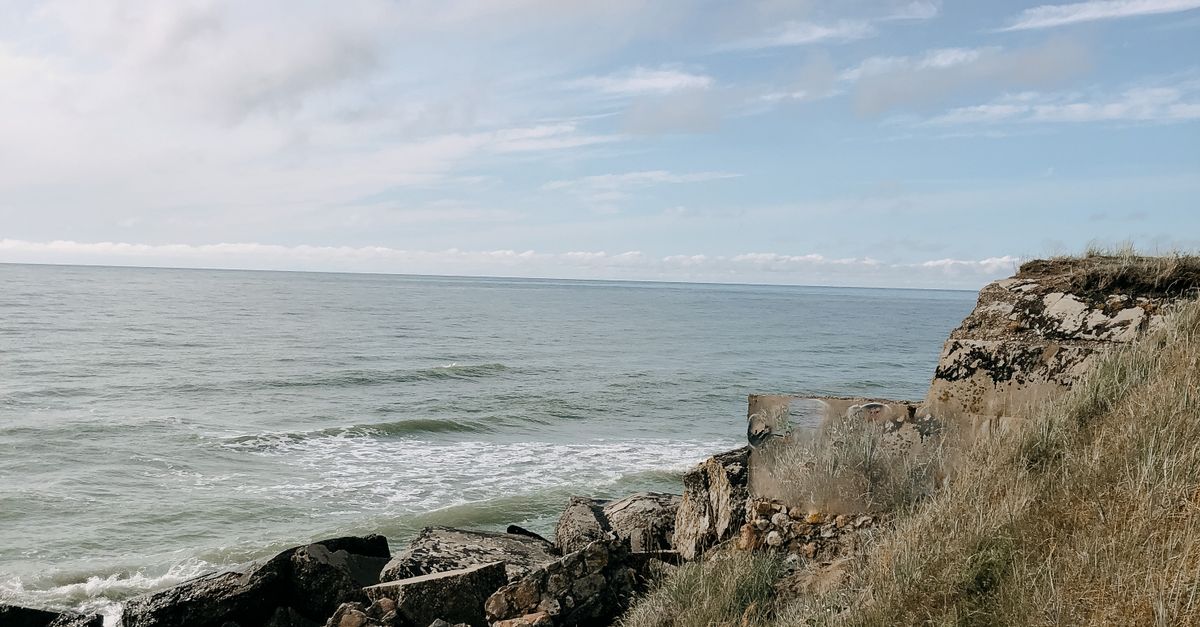
The Amber Coast Riddle
What the coastal communities between Sambia and Rügen made of the golden resin that washed up after storms — and why their explanations differ so sharply from one another.
Water Spirits of Kurisches Haff
The Curonian Lagoon has a particular atmosphere — enclosed, brackish, neither river nor sea. The beings fishermen described here do not appear in standard compilations of Baltic mythology.
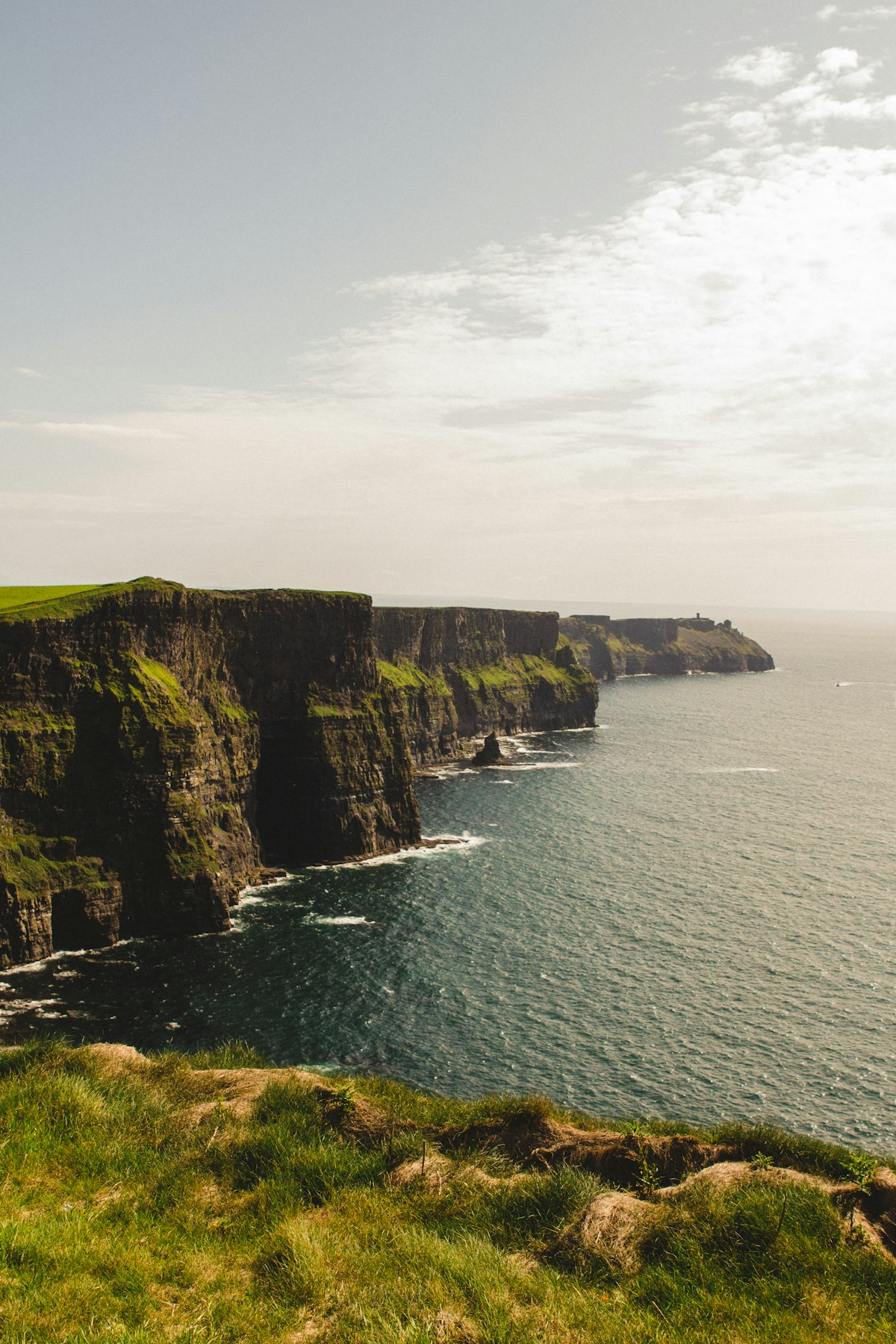
The Black Dog of Rügen
One of the stranger recurring figures along the northern German coast — a large dark dog that appears on cliff paths at dusk. Older than most people assume, and more consistent across accounts than you would expect.
Questions